919. Caitanya-kusuma-priyā
Caitanya-kusuma-priyā reveals the Divine Mother as the lover of the highest flower, the flower of awakened consciousness. Beyond external ritual offerings, she delights in the blossoming of awareness, wisdom, and Self-realization within the heart of the seeker. The name teaches that true worship reaches its culmination when consciousness unfolds into its full radiance and is offered back to the Divine Mother from whom it arose.

Caitanya-kusuma-priyā (चैतन्यकुसुमप्रिया)
This is the 919th name of the Lalitā Sahasranāma.
After revealing the Divine Mother as Caitanyārghya-samārādhyā, worshipped through the offering of pure consciousness, the Sahasranāma continues the same sublime theme:
Caitanya-kusuma-priyā: She who loves the flower of consciousness; She who delights in the blossoming of awareness; She who is pleased by the offering of awakened consciousness rather than merely external flowers.
This name is one of the most beautiful examples of how the Sahasranāma transforms ritual symbolism into spiritual realization.
1. Literal Meaning
Word-by-word
Caitanya (चैतन्य)
consciousness,
awareness,
pure sentience,
spiritual awakening.
Kusuma (कुसुम)
flower,
blossom,
bloom.
Priyā (प्रिया)
beloved of,
fond of,
delighted by.
Literal translation
"She who loves the flower of consciousness."
or
"She who delights in awakened awareness."
or
"The Goddess pleased by the blossoming of consciousness."
2. Traditional Meaning
The commentators explain:
The Goddess is called Caitanya-kusuma-priyā because she is most pleased by the offering of awakened consciousness, which is superior to external flowers used in ritual worship.
The name continues the inner worship taught in the previous nāma.
3. The Symbolism of the Flower
Flowers occupy a central place in Hindu worship because they symbolize:
beauty,
purity,
fragrance,
freshness,
devotion.
In this nāma, however, the flower is not physical.
The flower is consciousness itself.
4. Why Does This Name Follow Caitanyārghya-samārādhyā?
The sequence is exquisite.
Caitanyārghya-samārādhyā
The Mother is worshipped with consciousness as the sacred offering.
Caitanya-kusuma-priyā
The flower offered in that worship is consciousness itself.
The Sahasranāma is gradually internalizing every aspect of ritual.
5. Śrīvidyā Meaning
In Śrīvidyā, external worship ultimately matures into internal worship.
Instead of offering:
physical flowers,
external substances,
the seeker offers:
awareness,
devotion,
knowledge,
Self-recognition.
The highest flower is awakened consciousness.
6. The Blossoming of Consciousness
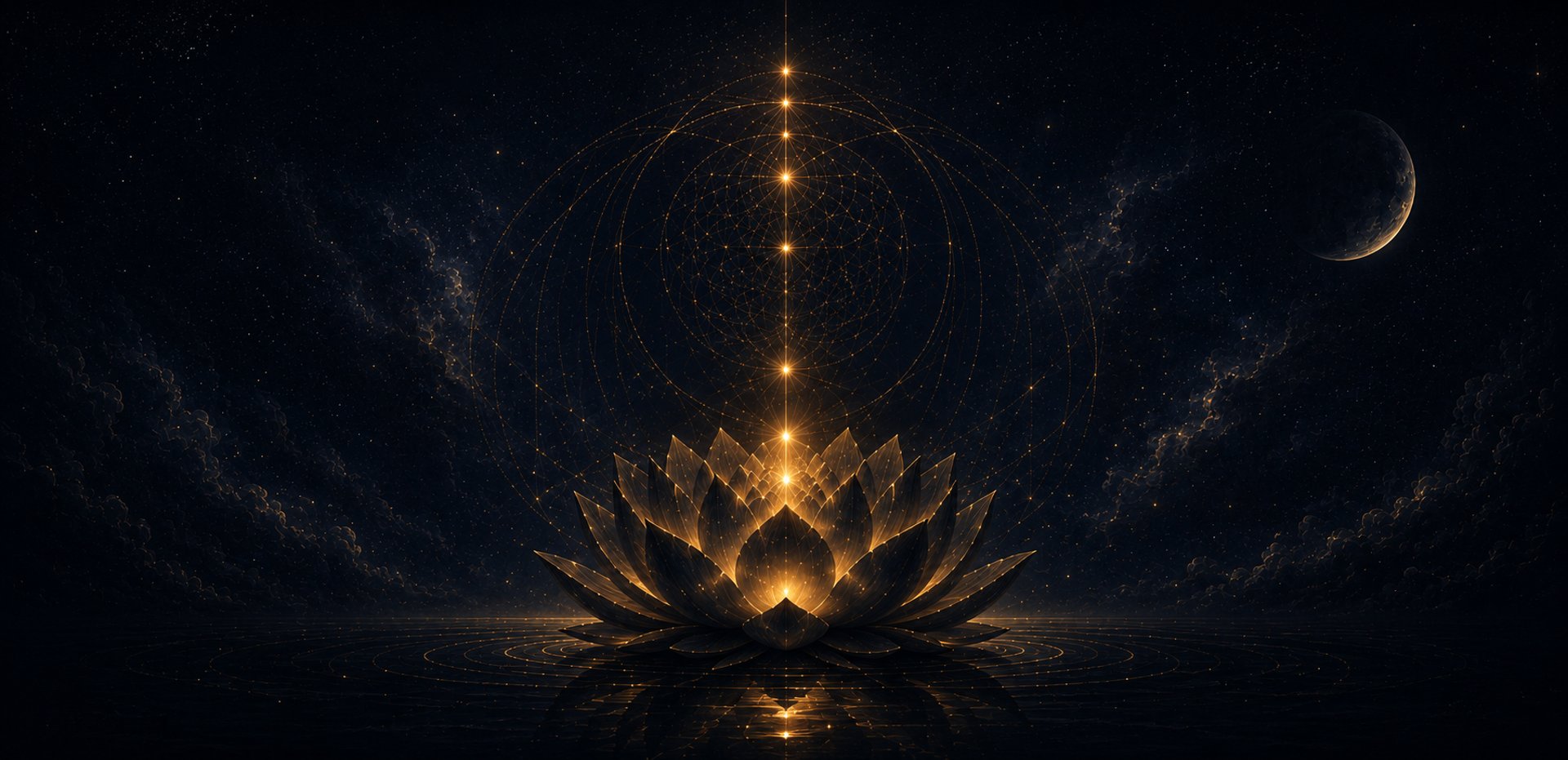
A flower begins as a bud and gradually unfolds.
Similarly, consciousness in an ordinary person appears contracted by:
ignorance,
ego,
attachment.
Through spiritual practice it blossoms into full awareness.
This blossoming itself is the flower loved by the Mother.
7. Devotional Meaning
For devotees, this name conveys a profound truth:
The Mother is pleased not merely by what is placed before her altar.
She is pleased when the heart awakens.
A single moment of genuine awareness is dearer to her than countless ritual flowers offered mechanically.
8. The Inner Flower
Many scriptures speak of subtle flowers:
the flower of devotion,
the flower of wisdom,
the flower of detachment.
Here the highest flower is caitanya itself.
The awakened mind becomes the offering.
9. Advaita Vedāntic Meaning
Now the deepest layer.
A profound question
Why is consciousness compared to a flower?
The hidden teaching
Because realization is an unfolding.
The Closed Bud
In ignorance, Consciousness appears limited.
The individual identifies with:
body,
mind,
personality.
The flower remains closed.
The Blossoming
Through inquiry, devotion, and grace:
ignorance weakens,
awareness expands,
the Self shines forth.
The flower opens.
This is the caitanya-kusuma.
The Highest Offering
In ordinary worship:
A flower is offered to the deity.
In the highest worship:
The awakened consciousness of the devotee is offered.
Ultimately, nothing external remains.
Only awareness.
Consciousness Loves Consciousness
At the highest level, the Mother herself is Consciousness.
The flower is Consciousness.
The offerer is Consciousness.
The beloved recipient is Consciousness.
This is the non-dual mystery hidden in the name.
The Fragrance of Realization
A flower spreads fragrance naturally.
Likewise, awakened consciousness naturally expresses:
compassion,
peace,
wisdom,
love.
These qualities are the fragrance of the caitanya-kusuma.
Relation to Earlier Names
Observe the progression:
Dhīra-samarcitā – Worshipped by the wise.
Caitanyārghya-samārādhyā – Worshipped with the offering of consciousness.
Caitanya-kusuma-priyā – Delighted by the flower of consciousness.
The Sahasranāma now transforms the outer ritual of worship into a completely inner realization.
The Non-Dual Meaning
At the highest level, Caitanya-kusuma-priyā signifies that Supreme Consciousness delights in its own awakened expression. The blossoming of awareness within the seeker is itself the offering, the worship, and the fulfillment of worship.
A Deeper Contemplation
The name Caitanya-kusuma-priyā is among the most poetic and profound names of the Sahasranāma.
The Mother is not merely pleased by flowers gathered from a garden.
She is pleased by the flowering of consciousness itself.
The sequence after Caitanyārghya-samārādhyā is perfect.
The offering is consciousness.
The flower is consciousness.
The worship becomes entirely inward.
From a devotional perspective, Caitanya-kusuma-priyā is the Mother who values sincere awakening more than external display.
From a yogic perspective, she delights in the blossoming of inner awareness.
From a Śrīvidyā perspective, she receives the subtlest and highest flower, the flower of awakened consciousness.
From an Advaitic perspective, she is Consciousness delighting in its own recognition.
The flower blooms.
The heart awakens.
The Mother smiles.
Ultimately, Caitanya-kusuma-priyā teaches that the Divine Mother delights in the blossoming of consciousness within the seeker. While external flowers have their place in worship, the highest flower is awakened awareness itself. Through this name, the seeker learns that true worship culminates not in ritual alone but in the flowering of Self-knowledge and the recognition of the Divine Mother's presence as one's own innermost Consciousness.
To contemplate Caitanya-kusuma-priyā is to offer the fully blossomed flower of awareness at the feet of the Divine Mother.
One-line Essence
Caitanya-kusuma-priyā reveals the Divine Mother as the one who delights in the blossoming and offering of awakened consciousness.