591. Śiraḥsthitā
Śiraḥsthitā reveals the Divine Mother as residing in the crown region, the symbolic seat of the highest spiritual awareness. The name teaches that the supreme reality is discovered within the seeker as the source of illumination, wisdom, and liberation, shining from the summit of consciousness as the indwelling Divine Presence.
Śiraḥsthitā (शिरःस्थिता)
This is the 591st name of the Lalitā Sahasranāma.
After celebrating the Divine Mother's supreme majesty through Kaṭākṣa-kiṅkarī-bhūta-kamalā-koṭi-sevitā, the Sahasranāma now turns inward once again, moving from the cosmic realm to the subtle spiritual anatomy of the seeker:
Śiraḥsthitā – She who resides in the head; She who is established in the crown region.
This name marks the beginning of another subtle yogic and spiritual description of the Divine Mother's presence within the human being.
1. Literal Meaning
Word-by-word
Śiraḥ – head, crown, uppermost part
Sthitā – situated, established, abiding, residing
Literal translation
"She who resides in the head."
or
"She who is established in the crown region."
2. Traditional Meaning
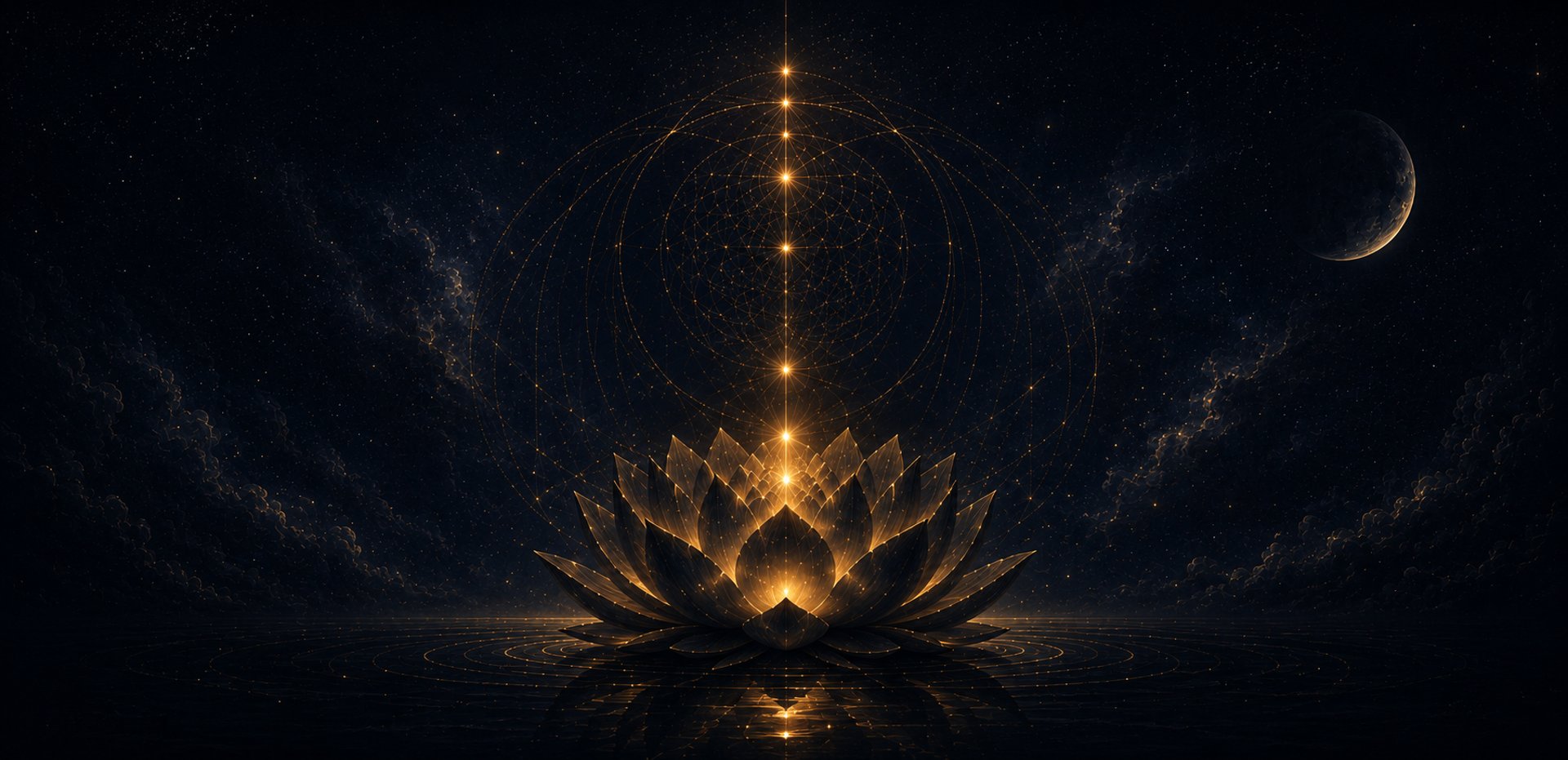
The commentators explain that the Divine Mother is present in the highest region of the subtle body, particularly in connection with the Sahasrāra, the thousand-petalled lotus at the crown.
Thus she is called:
Śiraḥsthitā
"She who abides in the head."
3. The Crown as the Highest Center
In Yogic and Tantric traditions, the crown region represents:
transcendence,
spiritual illumination,
liberation,
union with the Absolute.
The Mother's presence there signifies her role as the highest spiritual reality.
4. Devotional Meaning
For a devotee, Śiraḥsthitā means:
The Mother is enthroned at the highest point of one's being.
Just as a crown adorns the head, the Divine Mother adorns and sanctifies consciousness itself.
5. The Symbolism of the Head
The head is traditionally associated with:
knowledge,
awareness,
vision,
spiritual insight.
The Mother's residence there symbolizes her as the source of all higher wisdom.
6. Why Does This Name Follow the Previous One?
The sequence is noteworthy.
Kaṭākṣa-kiṅkarī-bhūta-kamalā-koṭi-sevitā
The Mother is revealed in her supreme cosmic glory.
Śiraḥsthitā
The same supreme Goddess is now shown residing within the seeker.
The infinite universe and the individual being are linked.
7. Śrīvidyā Meaning
In Śrīvidyā, the human body is viewed as a sacred temple.
The Divine Mother pervades every level of existence.
Her presence in the crown center signifies the culmination of spiritual ascent, where individual awareness merges into divine awareness.
8. Yogic Interpretation
The ascent of spiritual energy through the subtle centers culminates in the Sahasrāra.
There the seeker experiences:
illumination,
unity,
transcendence.
The Mother is called Śiraḥsthitā because she presides over this highest state.
9. Advaita Vedāntic Meaning
Now the deeper layer.
A profound insight
Does the Infinite truly reside in a particular location?
The hidden teaching
The Supreme Reality is all-pervasive.
It cannot be confined to any part of the body.
Why then say that the Mother resides in the head?
A Symbolic Teaching
The crown region symbolizes the highest state of awareness.
The name points not to physical location but to spiritual realization.
The Highest Awareness
The Mother is established where ignorance ends and knowledge dawns.
The head symbolizes this awakening.
Beyond the Body
While the name speaks of the head, the Mother is not limited to it.
She is the consciousness by which even the head is known.
The Inner Kailāsa
Earlier the Mother was called Mahā-kailāsa-nilayā.
Now the Sahasranāma indicates where that Kailāsa may be discovered within the seeker.
The crown symbolizes the summit of inner realization.
The Throne of Consciousness
The head is the highest point of the body.
Similarly, pure Consciousness is the highest reality of existence.
The Mother is established there because she is that reality.
Relation to Earlier Names
Observe the progression:
Kaṭākṣa-kiṅkarī-bhūta-kamalā-koṭi-sevitā – The cosmic Empress served by countless Lakṣmīs.
Now:
Śiraḥsthitā
The same supreme Empress is discovered within the highest center of the seeker.
The transcendental becomes internalized.
The Non-Dual Meaning
At the highest level, Śiraḥsthitā signifies the Divine Mother as the supreme awareness shining at the summit of spiritual realization.
She appears to reside in the crown because the crown symbolizes the highest awakening, yet in truth she pervades everything.
A Deeper Contemplation
The name Śiraḥsthitā beautifully illustrates the movement of the Lalitā Sahasranāma between cosmic theology and inner spirituality.
A moment ago, the Mother was portrayed as the sovereign before whom countless Lakṣmīs stand in attendance.
Now she is revealed as residing within the seeker's own subtle being.
This transition conveys a central teaching of Śrīvidyā:
The supreme reality sought in the cosmos is already present within.
The symbolism of the head is significant.
Throughout spiritual traditions, the crown represents transcendence and illumination.
It is the highest point of the body and therefore serves as a natural symbol for the highest state of consciousness.
The Mother is called Śiraḥsthitā because she is realized at the summit of spiritual awakening.
For yogic practitioners, this name evokes the Sahasrāra, the thousand-petalled lotus associated with enlightenment and union with the Divine.
For devotees, it suggests the Mother enthroned as the ruler of one's thoughts, understanding, and spiritual vision.
From an Advaitic perspective, the name is ultimately symbolic.
The Mother is not confined to the head any more than space is confined to a vessel.
She is the all-pervading Consciousness in which body, mind, and world appear.
The head merely represents the highest point of realization.
Ultimately, Śiraḥsthitā teaches that the Divine Mother abides at the summit of spiritual awareness, symbolized by the crown of the subtle body. She is the source of illumination, the presiding presence in the highest state of consciousness, and the inner reality discovered at the culmination of spiritual ascent.
To contemplate Śiraḥsthitā is to recognize the Divine Mother as the radiant consciousness enthroned at the peak of realization, illuminating the seeker from within and revealing the path to liberation.
One-line Essence
Śiraḥsthitā reveals the Divine Mother as abiding in the highest center of consciousness, symbolizing spiritual illumination and the summit of realization.